Dutch vs. German: 10 Similarities and Differences
When it comes to language learning, exploring the similarities and differences between languages can be fascinating.
When it comes to language learning, exploring the similarities and differences between languages can be fascinating.
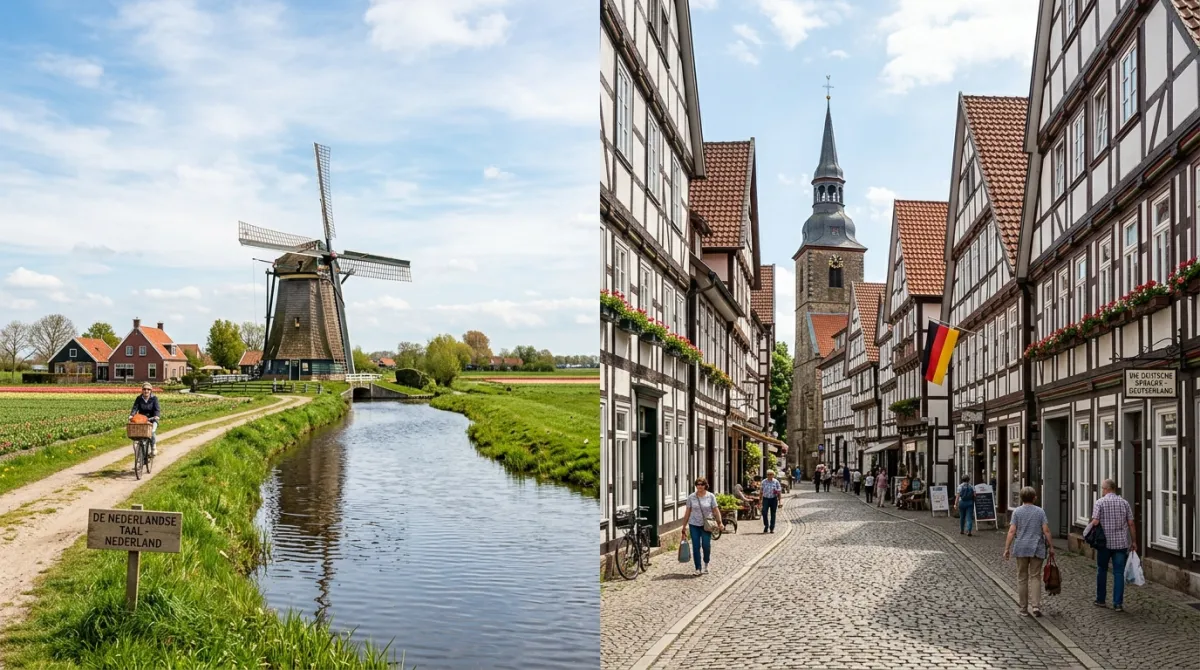
In this article, we will delve into the intriguing world of Dutch vs. German. These two languages belong to the same Germanic language family and share some fascinating connections.
As a native English speaker, you may find yourself at an advantage when tackling these languages. However, understanding the variations in their grammar, vocabulary, and pronunciation is important.
So, let's embark on a linguistic adventure as we uncover 10 key similarities and differences between Dutch and German
Frequently Asked Questions
Are Dutch and German similar?
Dutch and German are similar as they are from the same Germanic language family, which influences their vocabulary and grammar. Both languages possess similar sentence structures and word order, making it easier for speakers of one language to understand the other.
Can a Dutch person understand German?
Yes, a Dutch person can generally understand German to a significant extent due to the close linguistic relationship between the two languages. The shared Germanic roots and similar grammatical structures enable Dutch speakers to grasp the meaning of written and spoken German.
Dutch vs. German, which is easier to learn?
The ease of learning the Dutch or German language depends on various factors, including an individual's linguistic background and personal preferences. However, for English speakers, Dutch is often considered slightly easier to learn compared to German.
Is Dutch easy if you know German?
Yes, if you speak German, Dutch is easier to learn. Shared vocabulary, grammatical structures, and sentence patterns can facilitate comprehension and accelerate language acquisition.