Biergarten Garden Full Beer
Biergarten Eden: the days are getting longer, the temperature is rising, and suddenly it's summer. One of the best things you can do in Germany during the warm season is visit a beer garden...
Biergarten Eden: the days are getting longer, the temperature is rising, and suddenly it's summer. One of the best things you can do in Germany during the warm season is visit a beer garden. Especially in Bavaria, you can not only see cliches become real but also have some refreshing beverages and a traditional yet timeless experience of Gemutlichkeit.
Where did beer gardens come from?
You can find Biergarten all over Germany, but the real traditional ones are mostly in Bavaria and Baden-Wurttemberg. Their history is tightly bound to brewing.
In the 19th century, there wasn't anything like today's beer selection, mostly because of the lack of cooling technology. The most common beer in Munich was the Marzen (from Marz = March) - a bottom-fermenting beer (untergarig) that uses yeast which only ferments between 4 and 8 degrees Celsius.
That meant it could only be brewed in winter months (until end of March) and was hard to store in summer. Brewers used deep cellars. To keep those cellars even cooler, they spread gravel on top and planted horse-chestnut trees - dense canopies, shallow roots, perfect shade.
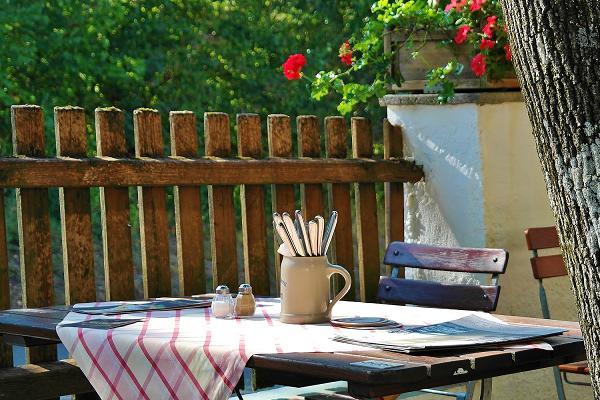
Then someone had an idea: sell the beer directly from the cellar and put some simple chairs and tables under those shady trees. The Biergarten was born.
Why can you bring your own food?
The other pub owners protested. So in 1812, King of Bavaria Maximilian I proclaimed that the brewers could sell their beer and also some bread, but no other meals. People were allowed to bring their own Brotzeit (a traditional snack) to enjoy with their drink.
That's why even today it's a maintained tradition: you can bring your meal to the Biergarten, but not your drinks. Outside of Bavaria this tradition is less common, especially if the beer garden is part of a restaurant. Better ask or observe other visitors before unpacking your sandwich.
What should I expect at a German beer garden?
Communal seating. Unlike a restaurant, nobody guides you to a table. You find a spot, sit down, and share the bench with strangers. That's the whole point.
Some Biergarten have staff taking orders. More often, there's a central beer-pouring station where you order and pay, plus a food counter. Then you carry everything to your table yourself. Including the one-litre Mass.
What food is served?
| Dish | What it is |
|---|---|
| Brezeln | Soft pretzels - on nearly every menu |
| Wurst | Sausages - the classic beer companion |
| Spatzle | Egg noodles with fried onions and cheese |
| Hendl | Half a chicken with garlic sauce |
| Schweinshaxe | Pork knuckle - for serious appetites |
| Obatzda | Bavarian cheese spread with Brezeln |
Beer comes in half-litre or full-litre Mass glasses. Non-alcoholic drinks are available too.
What are the best beer gardens in Munich?
Munich has several well-known Biergarten. The Hirschgarten (Deer Garden) is one of the largest and most traditional. They're still very common summer gathering places - long tables where it's not unusual to join other guests, enjoy a Mass or a Weissbier, and maybe catch some live music or a trivia night on a Sunday.
Most of them also offer traditional dishes in self-service if you forgot to bring your own. So don't miss out on having an authentic time beneath one of the chestnut trees.
Frequently Asked Questions
What does Biergarten mean?
Biergarten literally means "beer garden" in German. The name comes from the outdoor areas above beer cellars where brewers started serving beer under chestnut trees in early 19th century Bavaria.
Can I bring my own food to a German beer garden?
In traditional Bavarian Biergarten, yes - this dates back to an 1812 royal decree. You can bring your own food but never your own drinks. Outside Bavaria, check first - some beer gardens attached to restaurants don't follow this tradition.
Why are there chestnut trees in beer gardens?
Brewers planted horse-chestnut trees above their beer cellars to keep them cool. The dense canopies provided shade and helped maintain lower temperatures underground. The tradition stuck, and chestnut trees became a defining feature of authentic Biergarten.
What is a Mass?
A Mass (also spelled Maß) is a one-litre glass of beer - the standard serving size in Bavarian beer gardens. Half-litre servings are also available.